

«Arduna,» which means «our land» in Spanish, presents more than 80 Saudi, regional, and international artworks that explore how artists have depicted nature in modern and contemporary art. It is a landmark contemporary art exhibition, co-curated by the future Al-Ula Museum of Contemporary Art and the Centre Pompidou.

As an oasis on the historic Incense Route that linked India and the Persian Gulf with the Levant and Europe, AlUla represented a refuge for the merchants who traveled it. The exhibition takes this image of the garden as its starting point.
Featuring artworks from all disciplines, it will bring together masterpieces from pioneering modern artists such as Pablo Picasso, David Hockney, Joan Mitchell and Wassily Kandinsky, along with important contemporary voices such as Saudi artists Ayman Zedani and Manal Al Dowayan, and regional artists Imran Qureshi, Samia Halaby and Etel Adnan.
‘Arduna’ brings together more than 80 contemporary works to explore humanity’s changing relationship with nature.
It will be presented from February 1 to April 15, 2026 as part of the fifth edition of the Al-Ula Art Festival. Structured around six thematic chapters, the exhibition examines humanity’s changing relationship with nature, the land and the environment, and includes recently commissioned works, developed in dialogue with the landscapes and cultural heritage of Al-Ula.


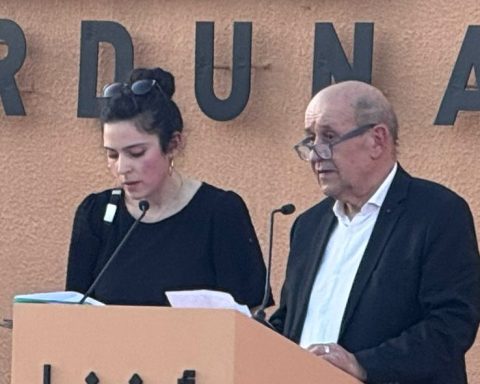
The city of Al-Ula, is most important cultural and heritage sites, hosted the opening of the Arduna art exhibition yesterday. This initiative aims to bridge the gap between contemporary art, the region, and international cultural exchange. The event marked a new milestone in the region’s artistic development and brought together leading figures in the cultural sphere, including artists, curators, and institutional representatives.
The exhibition reflects Al-Ula growing position as a global artistic and cultural hub. Renowned for its historical and scenic value, the city has become a meeting point between past and present, where contemporary art engages with a uniquely significant natural and archaeological environment.
In this context, Arduna arrival is presented as a proposal that reinforces that identity and expands the creative horizon of the place.During the opening, the organizers emphasized that the exhibition was conceived as a comprehensive artistic experience, in which the works establish a direct link with the landscape, memory, and cultural diversity. Arduna proposes a perspective that transcends geographical and aesthetic boundaries, promoting the exchange of viewpoints and collective reflection through art.
The exhibition brings together a selection of works that explore diverse languages and disciplines, inviting the public to journey through narratives linked to identity, time, and territory. The curatorial approach emphasizes the dialogue between tradition and contemporary art, a theme that finds a particularly significant framework in AlUla.
Representatives from Arduna stated that the choice of Saudi Arabia, and particularly Al-Ula, reflects their intention to participate in an expanding cultural process in which art plays a central role as a tool for encounter, expression, and transformation. They also emphasized the importance of developing projects that respect the local context and are open to exchange with the region’s artistic community.
The exhibition’s opening was attended by local and international guests, who praised the initiative as a contribution to strengthening the Saudi cultural ecosystem. In a country actively promoting the diversification of its cultural and creative life, projects like Arduna are part of a broader agenda aimed at fostering art, innovation, and intercultural dialogue.
The exhibition also seeks to create a space for reflection on the role of art in a world marked by rapid change. From this perspective, Arduna presents art as a universal language capable of connecting diverse experiences, sensibilities, and territories, without losing sight of the particularities of each context.
With this opening, Arduna consolidates its presence on the international art scene and reaffirms its commitment to creating cultural platforms that foster exchange, diversity, and the construction of shared meaning. The exhibition at AlUla is thus envisioned as a meeting point between cultures, where art becomes a vehicle for dialogue and mutual understanding.
The opening of Arduna in Al-Ula is part of a series of cultural initiatives that position the city as a global leader at the intersection of heritage, contemporary art, and international outreach. Within this context, the exhibition is presented not only as an artistic event but also as an expression of Saudi Arabia’s growing prominence on the world cultural stage.